

Turicleta
Alcalá de la Selva
Featured Destination

Alcalá de la Selva

Teruel
Cómo llegar

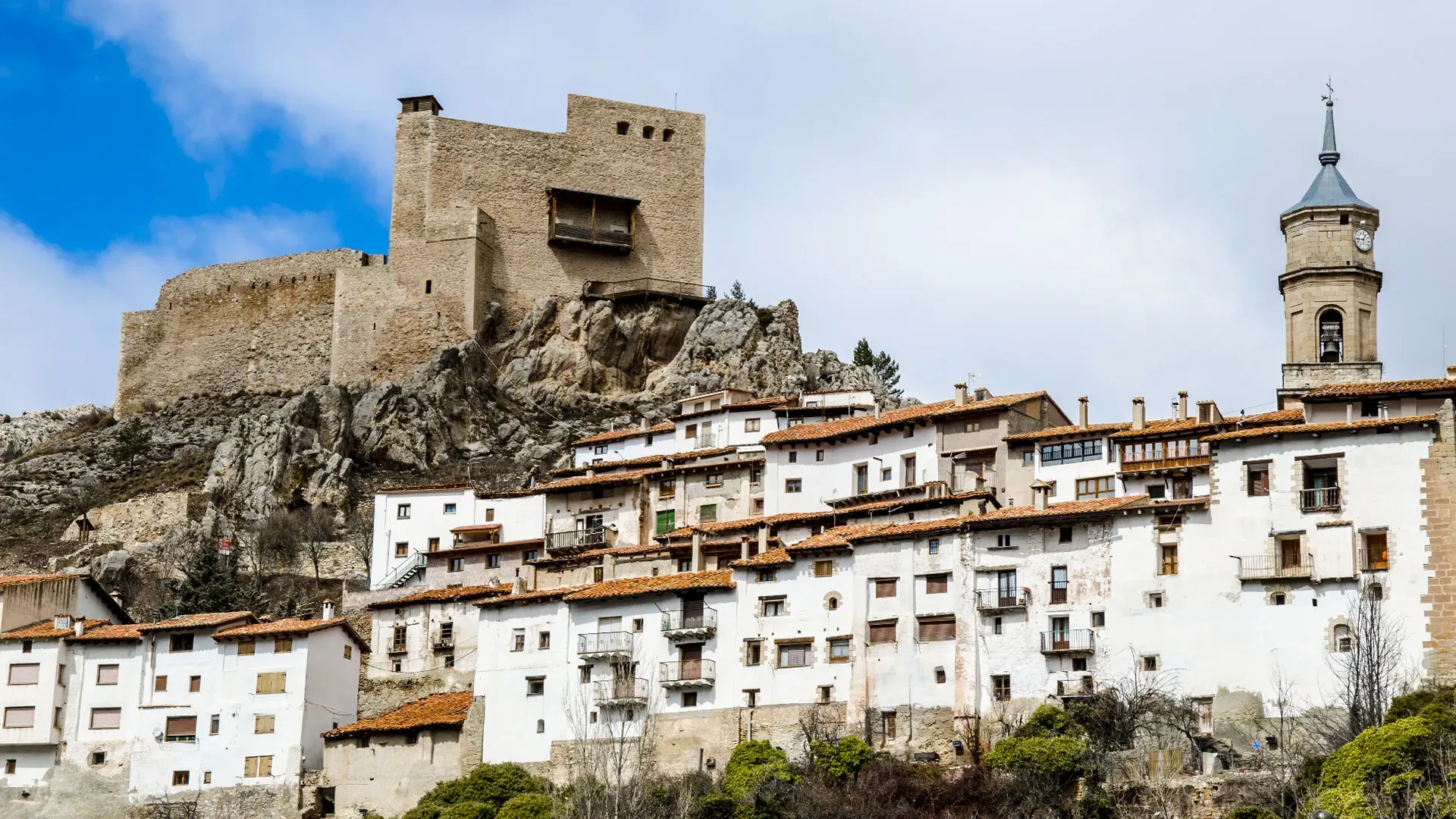
The name of the town takes us back to its Muslim past, with traces of those former inhabitants still visible on the castle walls. The fortress, after serving as a defensive bastion, became the residence of the Fernández de Heredia family, but the civil wars of the 19th century returned it to its original purpose.

5 Cycling Routes
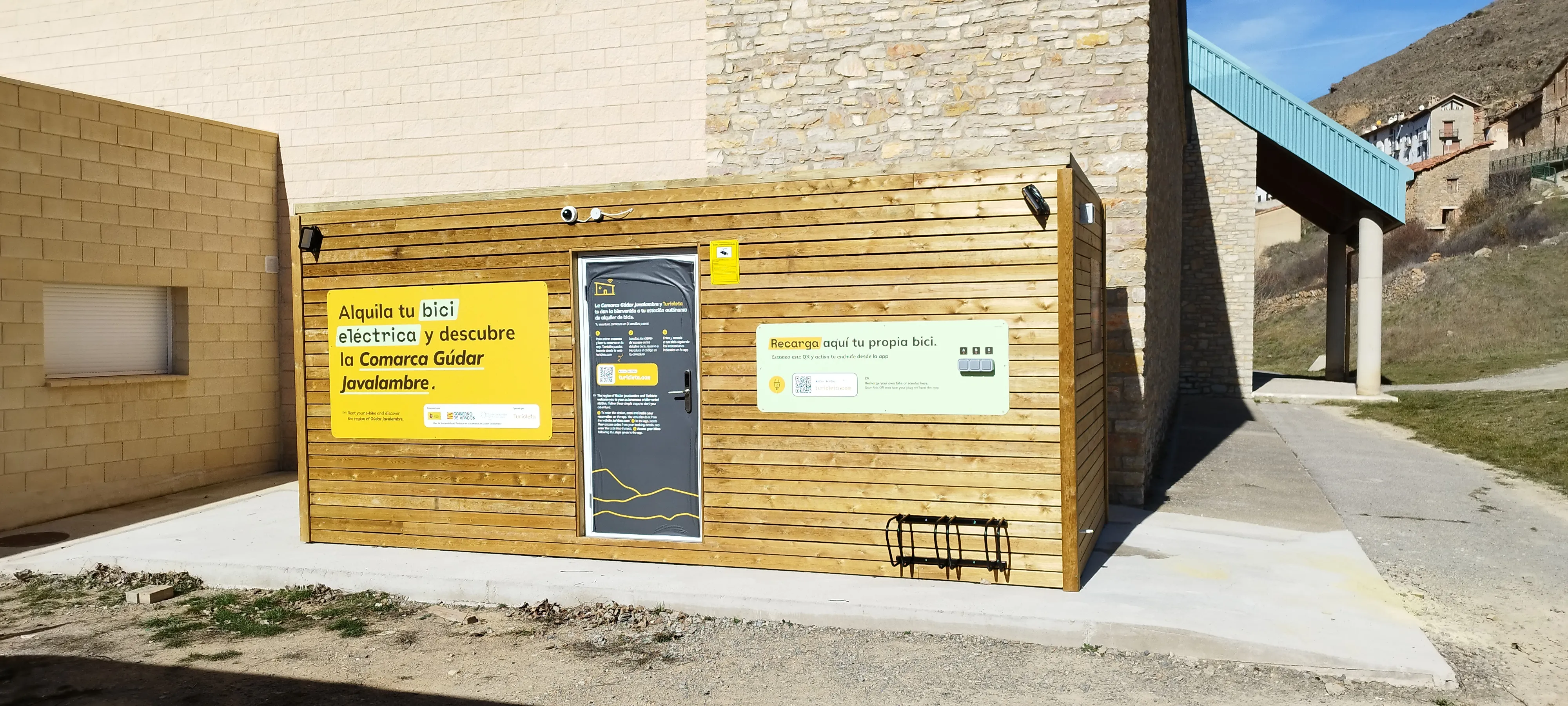
1 station available
Where do you want to rent your bike?

Stations inAlcalá de la Selva

Find electric bike stations available in the city.

View all

Sobre Alcalá de la Selva

<p><strong>Heritage</strong></p>

Castle of Alcalá de la Selva

Fortress of Arab origin reconquered by Alfonso II and granted in 1175 to the French abbey of La Grande Selve —hence the name of the municipality—. It later passed into the hands of Juan Fernández de Heredia, who rebuilt it as a residence. With an uncommon triangular plan, it combines masonry and ashlar. Highlights include its pointed barrel vault and central courtyard.

Church of Saints Simon and Jude

Gothic-Renaissance temple (late 16th century), inaugurated in 1614. It consists of three naves with star-shaped rib vaults and a Mannerist façade with three sections featuring double columns, niches, and sculptures. The stone tower has three sections, the upper ones octagonal.

Sanctuary of Our Lady of La Vega

Baroque work from 1751, with three naves and a dome on pendentives decorated with mural paintings. Its stone façade features a double belfry with bells.

Humilladero

Small square structure made of ashlar stone with four semicircular arches and a domed vault decorated with sgraffiti and angels on the keystones. Dating from 1628, it is almost unique on the Iberian Peninsula.

Chapels and Calvary

San Roque and Our Lady of Loreto (16th–17th centuries), located at the entrance to the town and known as Los Mártires, stand out for their ribbed vaults and wooden frameworks.

From there begins the Calvary, ascending to the recently restored Hermitage of San Antón, offering excellent views of the valley.

Further away, 6 km from town, the Hermitage of San Miguel offers panoramic views of the natural surroundings.

Old Schools

Single-storey building with a whitewashed masonry base and remains of a Romanesque doorway with a double archivolt.

<p><strong>Festivities</strong></p>

The Dance of Alcalá de la Selva is one of the municipality’s most unique traditions. It takes place during the patron saint festivities in honor of Our Lady of La Vega, from September 7 to 10. Eight boys dressed in white, with colored ribbons, perform ancient dances accompanied by castanets, sticks, swords, and ribbons. They are joined by the pastores or jesters, who protect the dancers and enliven the celebration with humor. The event culminates with the Embajadas de Moros y Cristianos (Moorish and Christian performances), representing the reconquest of the town.

Throughout the year, Alcalá de la Selva celebrates numerous festivals that reflect its cultural identity and popular traditions:

  • Festival of the Drivers (July): in honor of Saint Christopher, featuring bull runs, communal meals, and vehicle blessings.
  • Festival of the Quintos (August): organized by young people turning 18, with games, contests, and open-air dances.
  • Festifalk: international folklore festival with groups from around the world.
  • Holy Week: processions accompanied by the Drums and Bugles Group “Our Lady of Solitude”.
  • Cultural Week (August): theater, open-air cinema, and community activities.
  • Pilgrimage to Our Lady of La Vega (June) and Bonfires in honor of Saint Anthony, Saint George, Saint Barbara, and Saint Lucy.
  • Popular Race: last Saturday of August.

These celebrations keep alive the festive and traditional spirit of Alcalá de la Selva, where music, folklore, and community participation are the true protagonists.

<p><strong>Gastronomy</strong></p>

The gastronomy stands out for its high-quality ingredients —always homemade, prepared with care and time. Pork has traditionally been a staple of local pantries; some households still carry out the traditional slaughter, ensuring food for the winter. Preserved meats and cured ham are the most prized, but many other elements delight the senses: cecina (dried beef), game meats such as quail or partridge, the famous ternasco (young lamb) and tender lechal (suckling lamb). Garlic soups warm the coldest days, and morcilla de miel (blood sausage with honey) adds a sweet, unique touch to any moment.