



Heritage
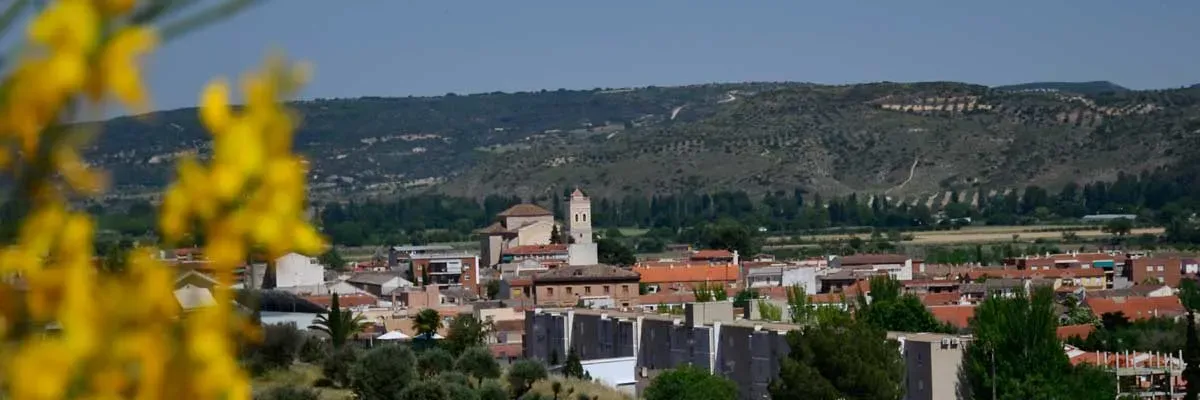
Morata de Tajuña has a historical heritage linked to its Roman origin and the subsequent Arab settlement, which boosted agricultural development and irrigation systems. Its urban area preserves traditional popular architecture, with labor houses, wineries, and cave houses.
Civil buildings such as the Casa Mac-Crohon and the Town Hall, both from the 19th century, stand out, along with a notable religious heritage led by the Church of the Immaculate Conception (16th century) and several hermitages from the 16th and 17th centuries.
The ethnographic legacy is completed with the Mill Museum, an old flour mill by the Tajuña River, and its natural surroundings, the starting point of the Tajuña Greenway, which reinforces the cultural and landscape value of the municipality.