
 Easy
Easy Route Ávila – El Oso
Ávila, Castilla y LeónRoute Ávila – El Oso
Ávila · Castilla y León 27.2km Distance
2h Duration
1183m Max altitude
e-Bike Type
Easy This linear route starts from the northern end of Ávila and heads toward the Castilian plain following the traditional layout of the Teresian Route. After leaving the walled city behind, the path runs along wide and very comfortable agricultural tracks, surrounded by cereal fields and grazing areas.
The landscape is completely open, with constant views towards the Sierra de Ávila and the clear horizons typical of the Meseta.
The itinerary progresses northwards with no technical difficulty, crossing gentle hills and several rural roads until it approaches El Oso, where the surroundings become more agricultural, peaceful, and very characteristic of the region.
Arrival at the municipality takes place along farming tracks until reaching the urban area and the Oso de El Oso, an emblem of the town and a symbolic point marking the end of the stage.
Types of path:
Mapa interactivo proporcionado por
Wikiloc open_in_newMoments captured by our community.
Discover unique places to stop and enjoy.
 place Otro
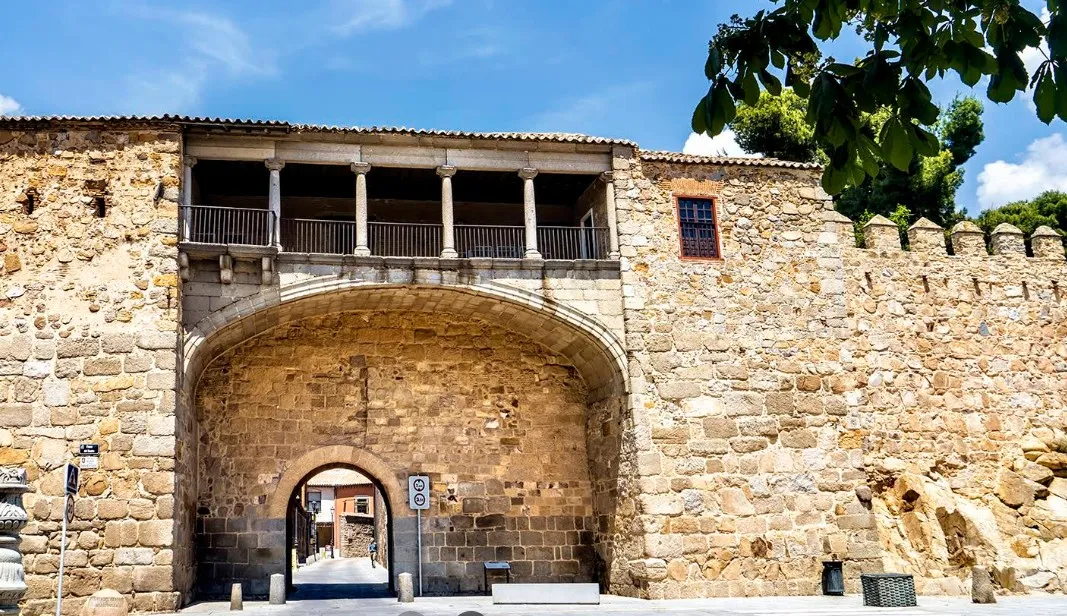
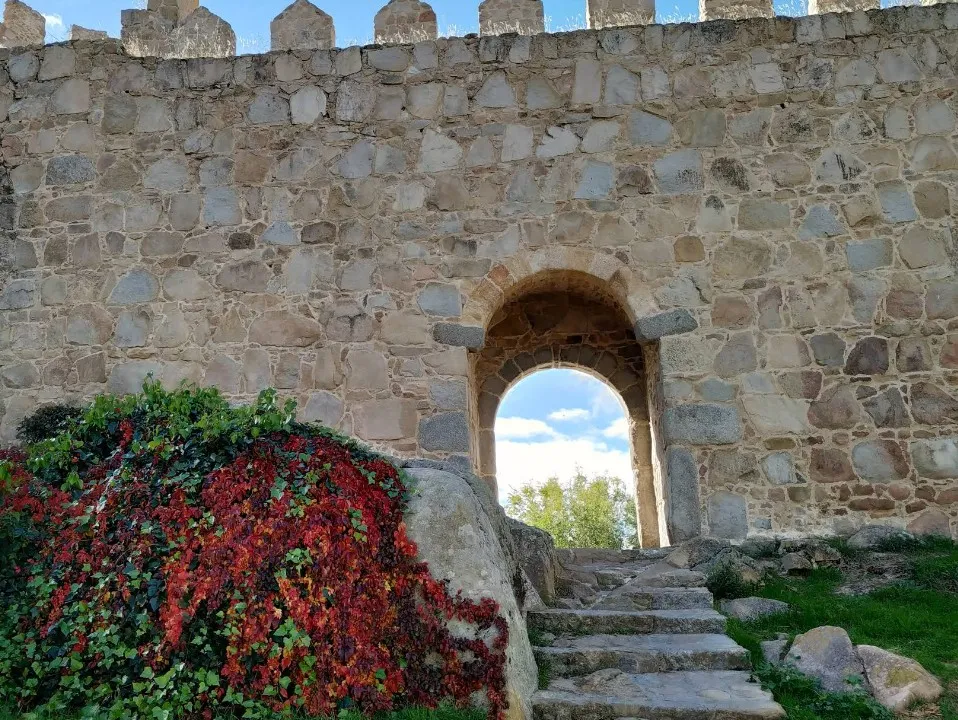
 The Rastro Gate has this name because of the trail of blood left by the animals dragged from the slaughterhouse. An arch and a colonnade were later built at the gate. The colonnade was from the Palace of the Dávila. This colonnade is known for the legend of Don Alvar and Doña Guiomar.
 castle Edificio
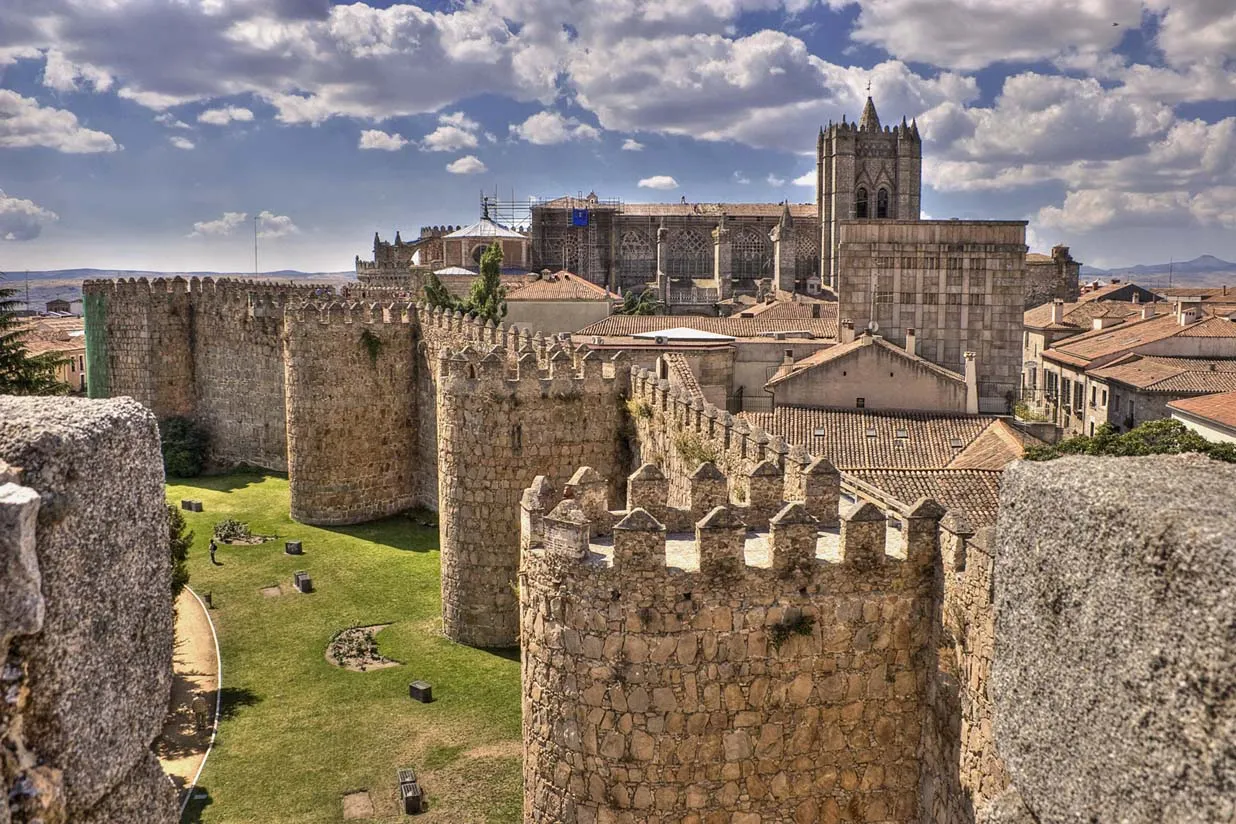
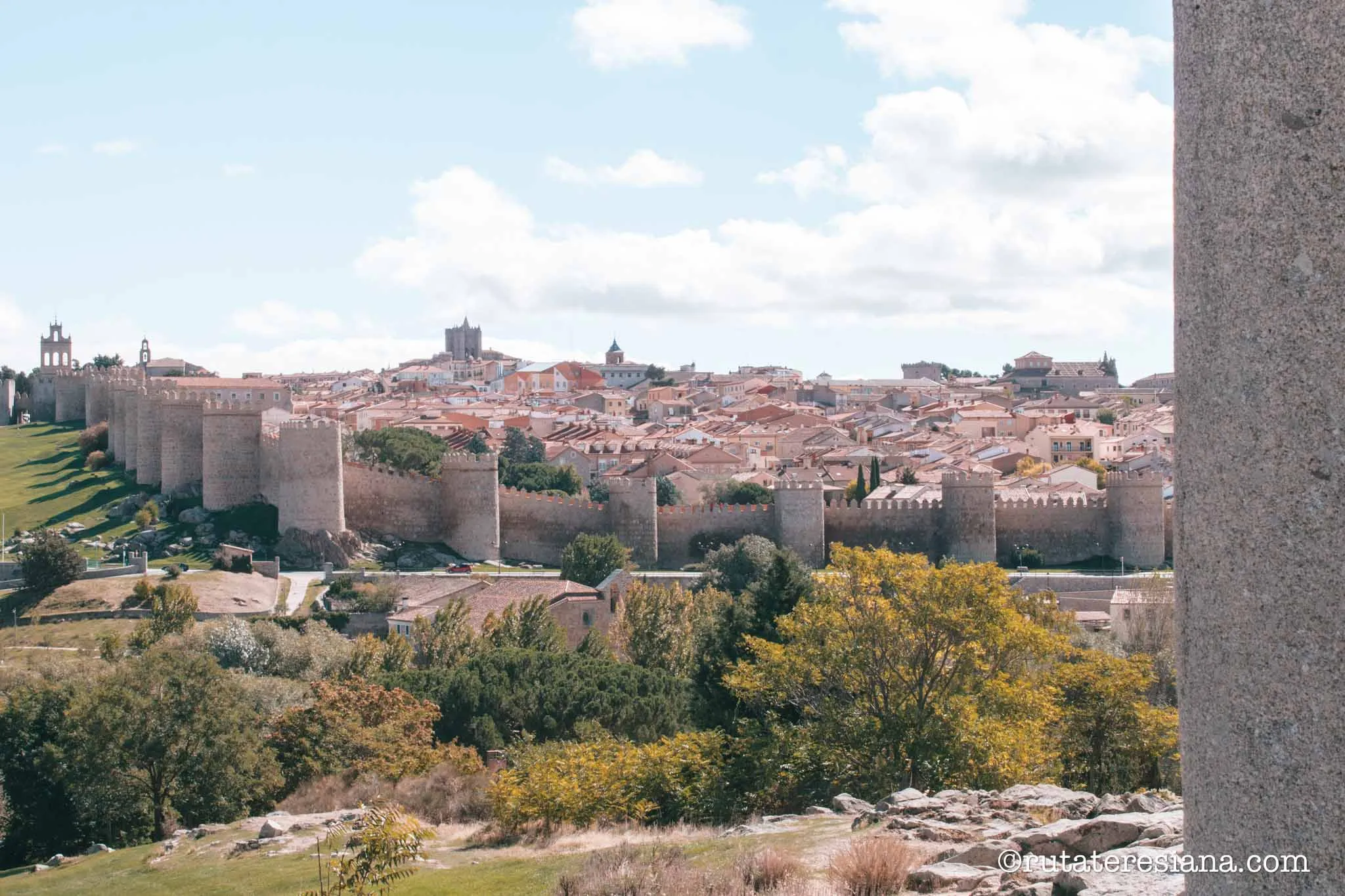
 The Walls of Ávila, declared a World Heritage Site, are one of the best-preserved medieval fortifications in Europe. Built between the 11th and 14th centuries, it completely surrounds the historic center with more than 2.5 km of perimeter, 9 gates, and 88 towers. Its imposing presence and excellent state of preservation make it the undisputed symbol of the city.
 place Otro
 Through this gate, the Jews left the city in 1942 following the decree of expulsion by the Catholic Monarchs. Around this gate, several legends were traditionally told, such as the one that claims that through it left the knights from Ávila that Alfonso I, the Battler, took as hostages in the famous episode of King Alfonso VII.
 castle Edificio
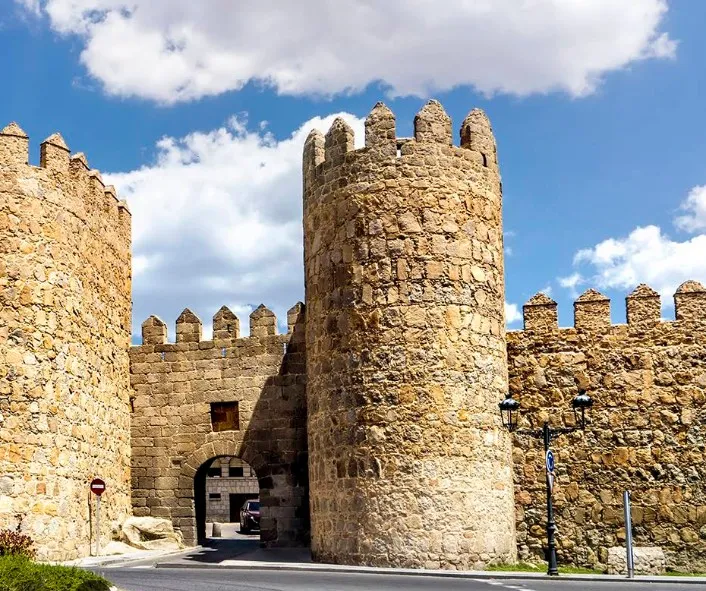
 The Puerta del Adaja, historically known as Puerta del Puente, is the western access of the Wall of Ávila, located next to the river that bears its name. Between two medieval towers, this gate connected the city with the roads that crossed the Adaja and the historical bridges in the surroundings. It is one of the most authentic and scenic accesses of the walled enclosure.
 place Otro
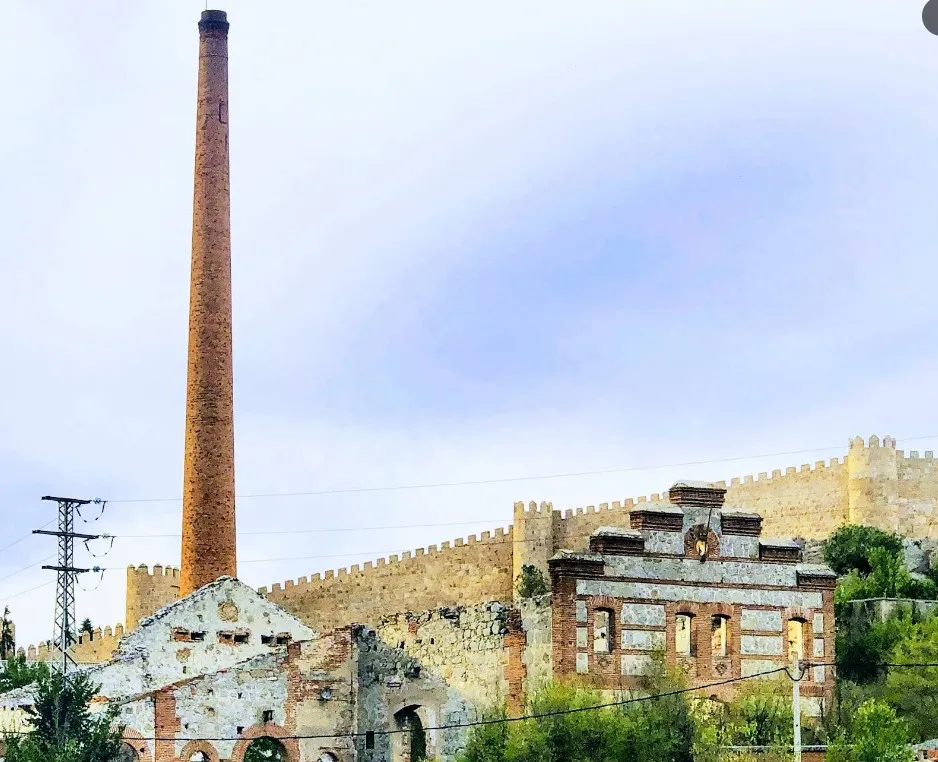
 The old Santa Teresa Flour Factory is an emblematic industrial building located next to the Adaja River, in Ávila. Built in the 19th century, it operated as a mill and flour factory harnessing the power of water. Its architecture preserves the identity of traditional factories of the time, with stone and brick walls. Today it is a prominent vestige of the city's industrial past and a landmark of the riverside walk.
 place Otro
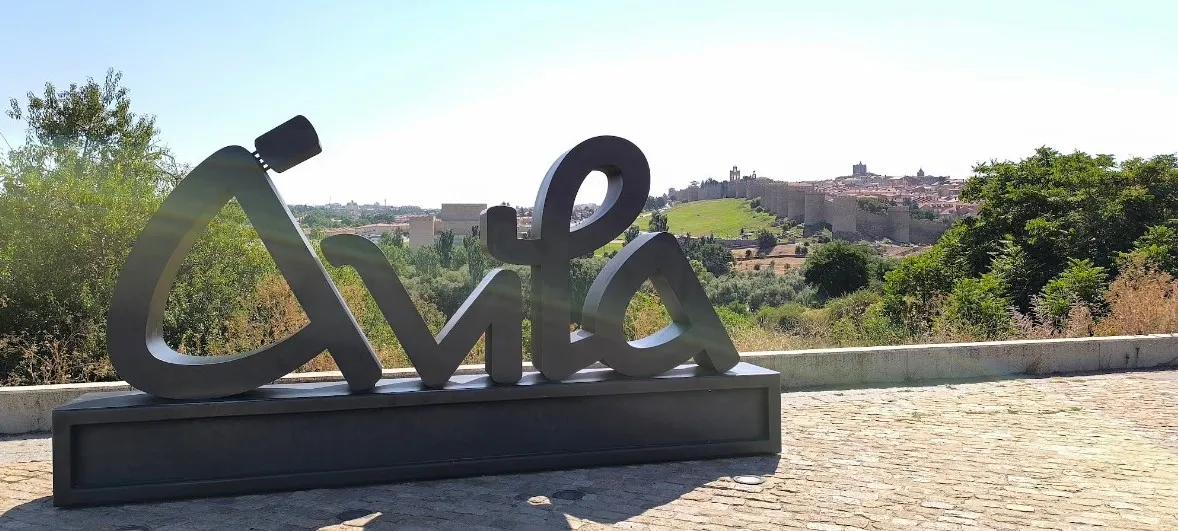
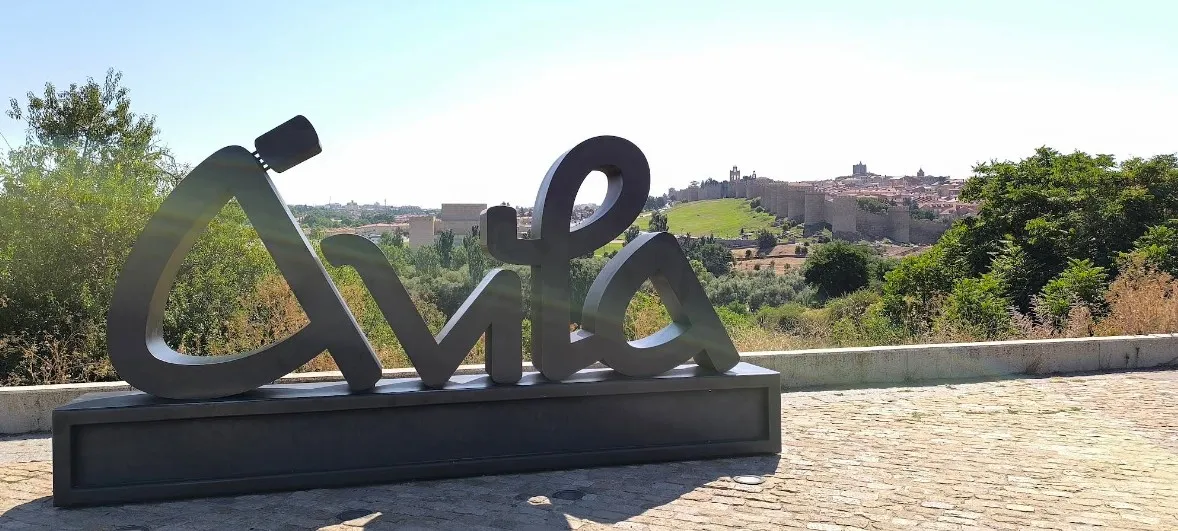
 At the southern entrance of Ávila, there is this large sculptural sign with the word “Ávila,” designed as the official photographic point of the city. From it, one of the best panoramic views of the wall and the historical center is obtained, making it a very popular viewpoint for travelers and pilgrims.
 place Otro
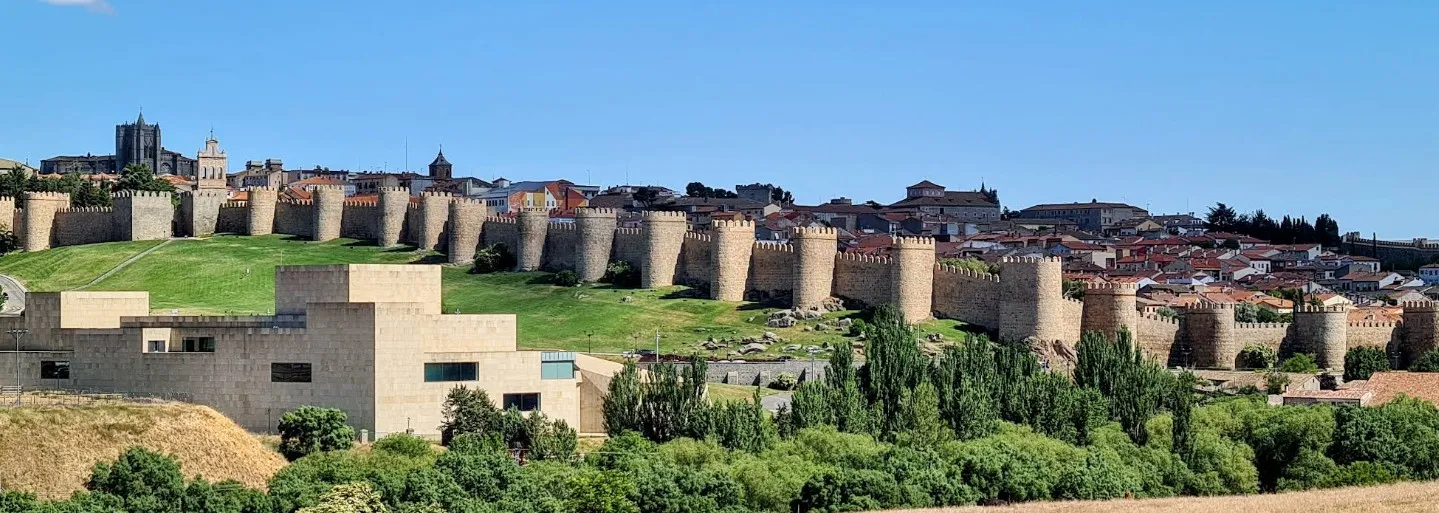
 This viewpoint offers one of the most spectacular views of the Walls of Ávila, especially of the extensive northern stretch with its succession of perfectly aligned towers. From this point, a complete panorama of the historic center is obtained, with the Cathedral and the main towers of the city rising above the walled profile. It is an ideal place to contemplate Ávila in all its grandeur and take unforgettable photographs before entering the city.
 place Otro
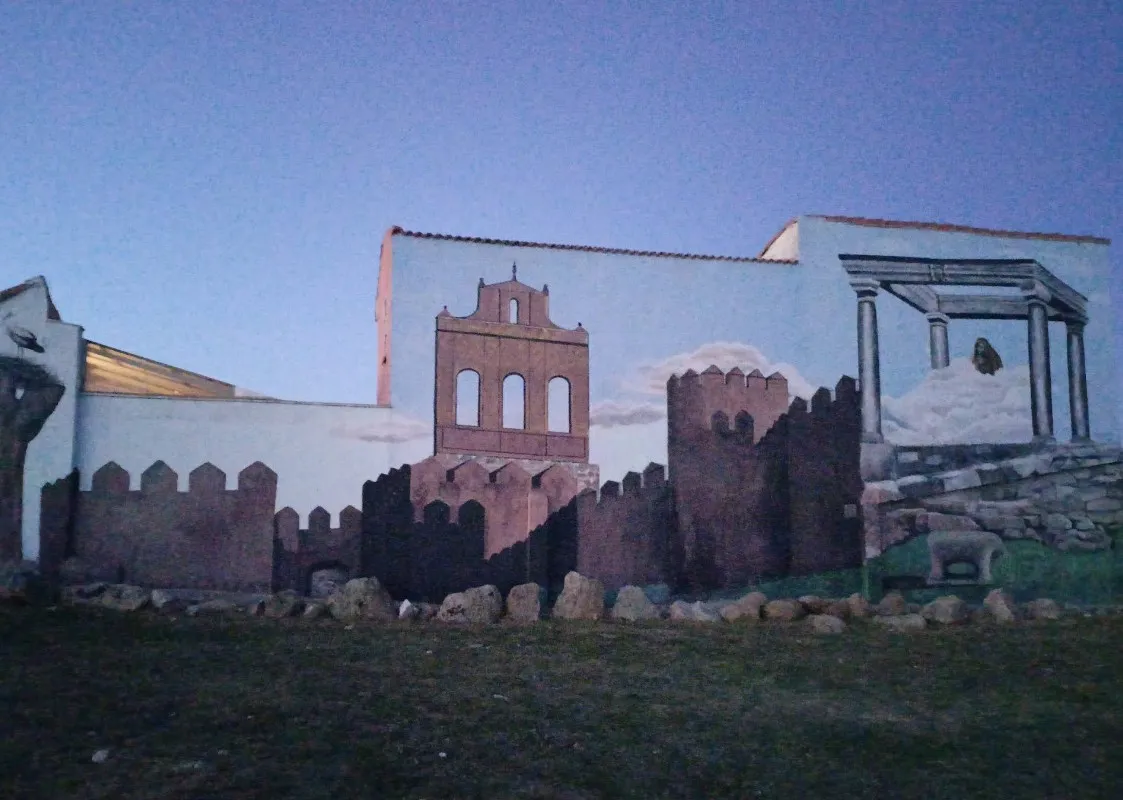
 Urban mural dedicated to Saint Teresa of Jesus, which beautifies a wall near the route. It represents the figure of the saint as a symbol of Ávila and adds a cultural and artistic touch to the tour.
 castle Edificio
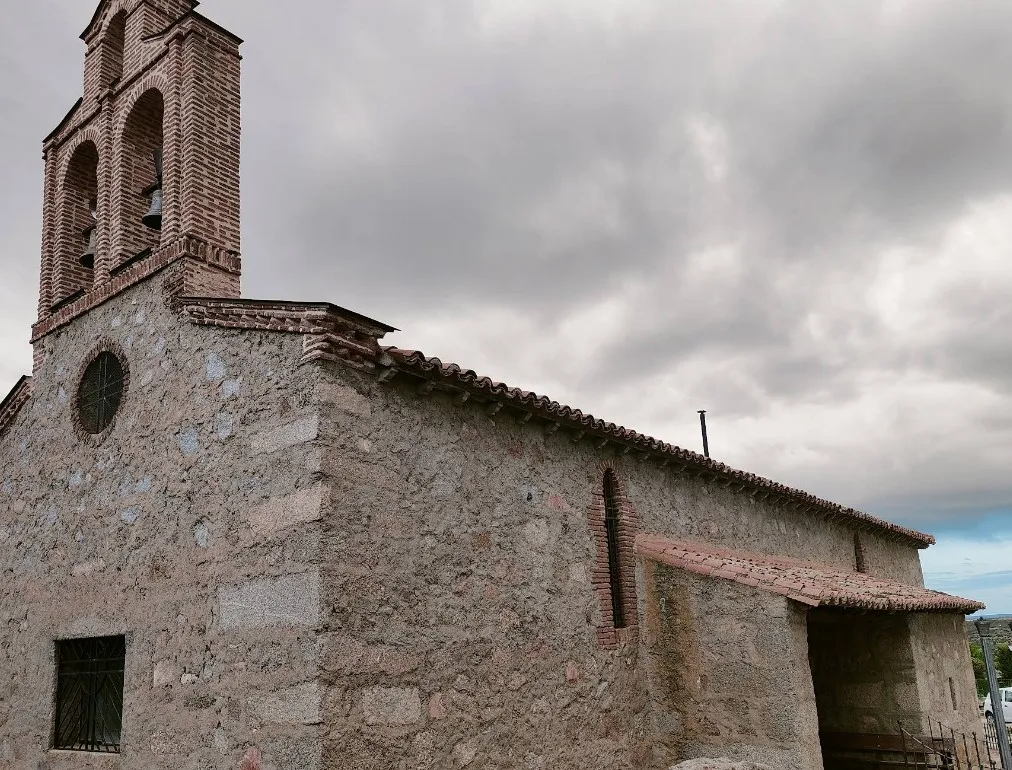
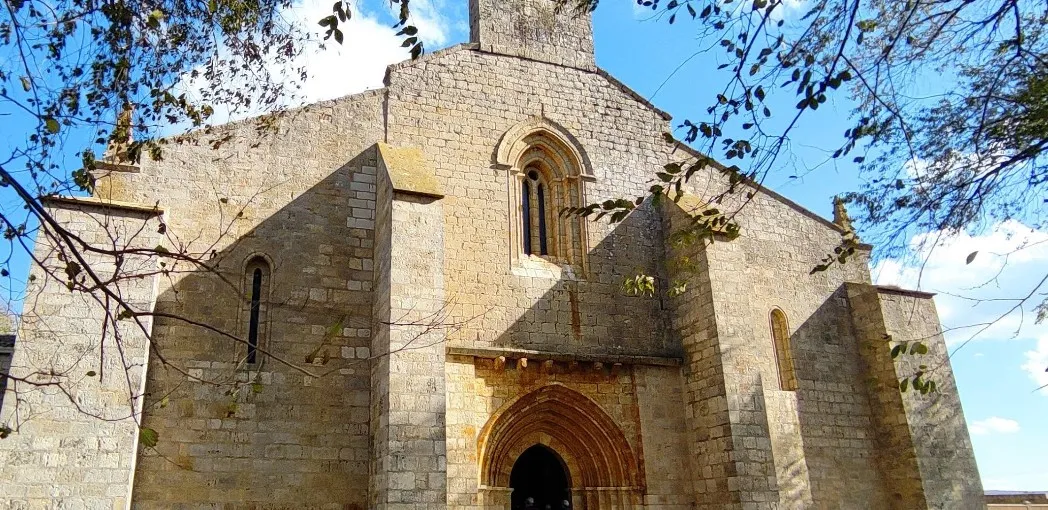
 The Church of San Leonardo Martyr is the main temple of Narrillos de San Leonardo, a small hamlet located on the outskirts of Ávila. Of medieval origin and simple structure, it stands out for its traditional Castilian style, with stone walls and a bell gable that presides over the façade. The interior maintains an intimate and rural atmosphere, dedicated to San Leonardo, the patron saint of the village. It is a representative example of the small parish churches that are part of the historical landscape of the Ávila region.
 castle Edificio
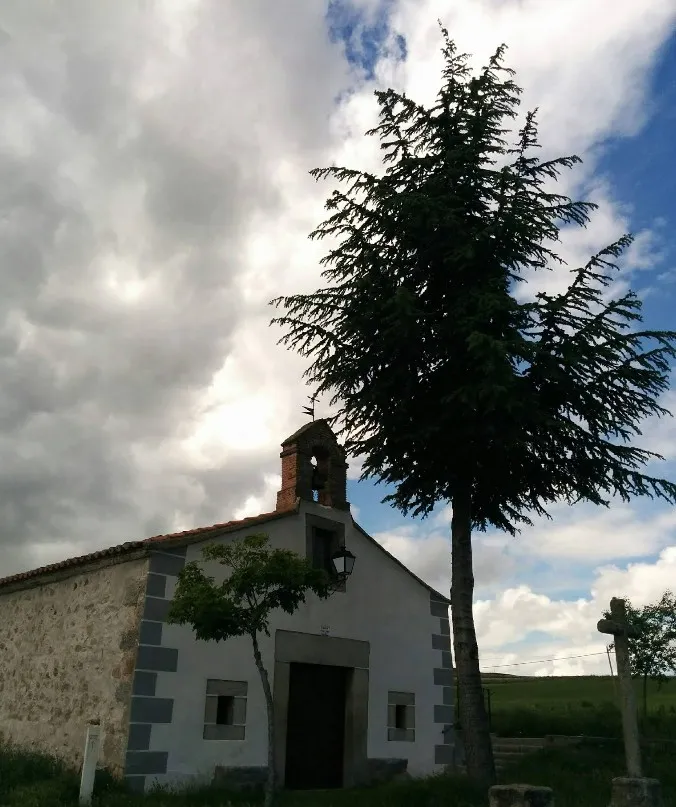
 Small rural chapel of meadows and pastures. It is a simple temple, of traditional origin, linked to the popular devotion of the area. Its surroundings are very peaceful and offer a typical landscape of the Ávila plateau: holm oaks, open fields, and very bike-friendly paths. It is an excellent stopping point on bike or walking routes.
 castle Edificio
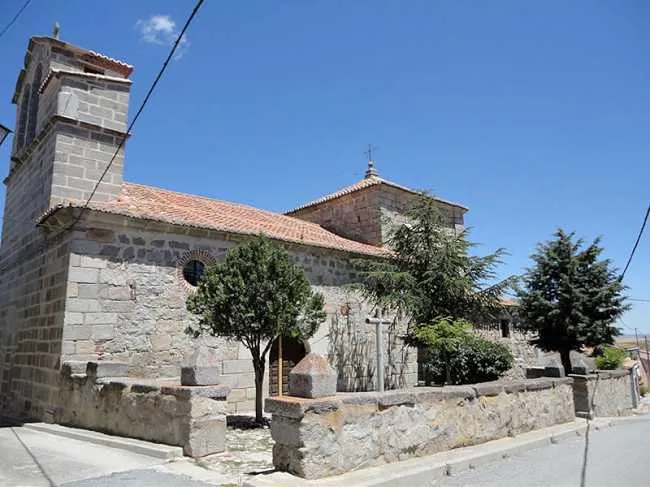
 The Hermitage of the Most Holy Christ of Saint Teresa is a small temple linked to the Teresian devotion, located near Ávila.
 castle Edificio
 In Baroque style, the main chapel according to a document from the parish archive began four days into the month of May 1618 and was completed at the end of January 1619. The church of San Vicente Mártir has a header made of rubble and a belfry made of granite masonry from the 16th century.
 place Otro
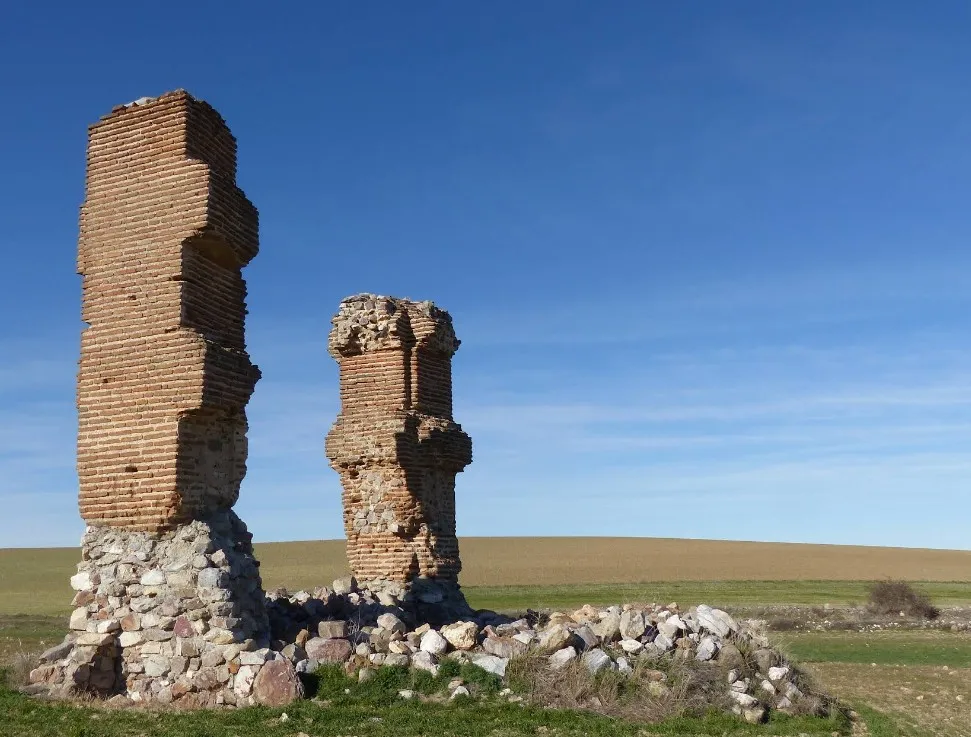
 Remains of an ancient medieval watchtower, now reduced to two brick and masonry pillars that rise in the middle of the field. A singular vestige of the ancient defensive system of Ávila.
 castle Edificio
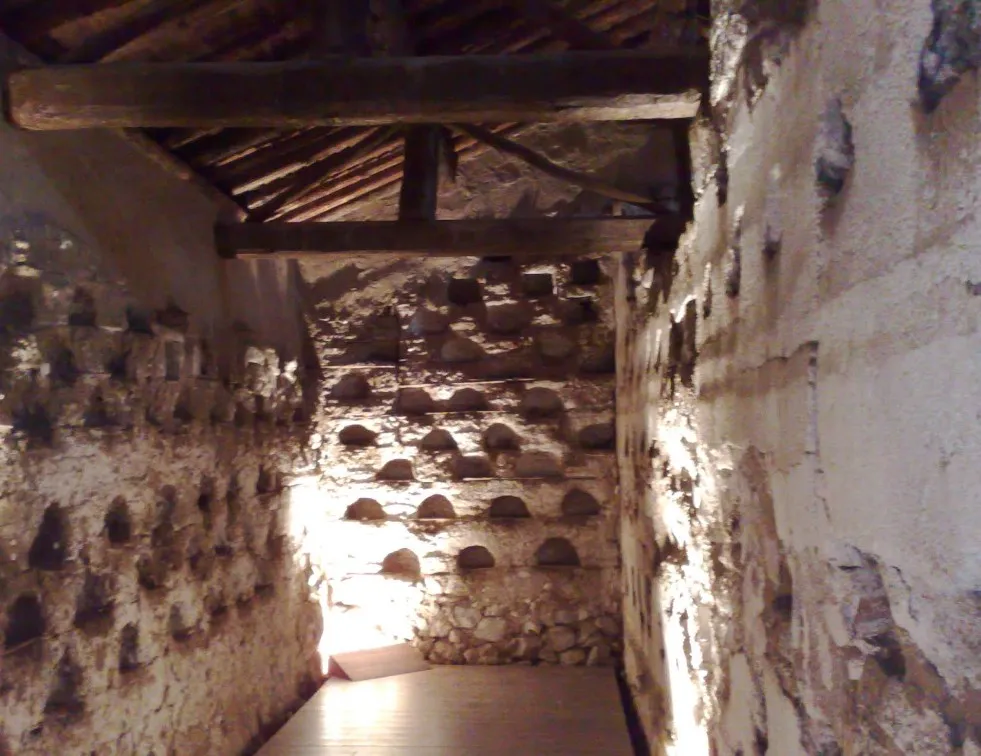
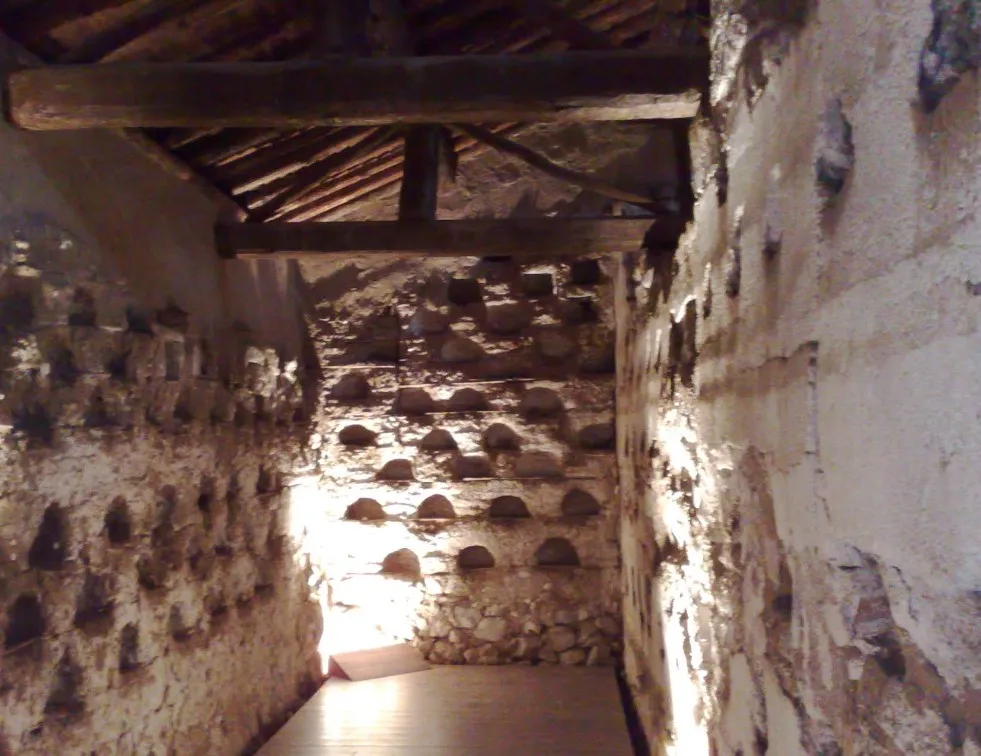
 The Palomar de Santa Teresa is a traditional building linked to the childhood of Saint Teresa of Jesus in Gotarrendura. Restored and perfectly preserved, it showcases the popular architecture of the pigeon houses of Castile and recalls the rural environment where the Saint spent part of her childhood. It is a simple but symbolic place within the Teresian Route.
 place Otro
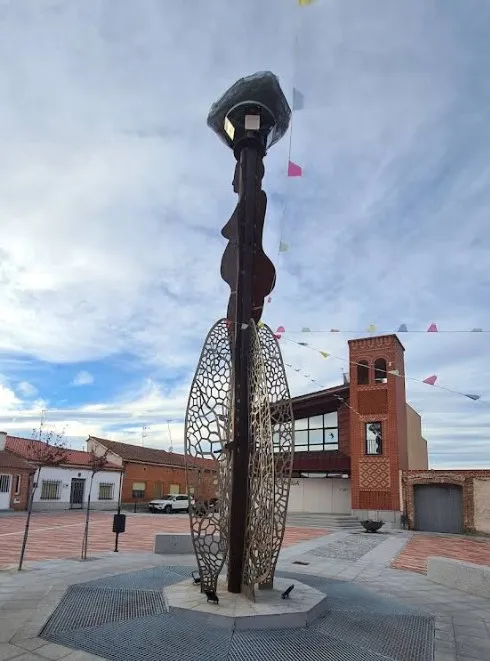
 Interpretive center dedicated to the lagoons and fauna of La Moraña, ideal for understanding the ecological value of these wetlands and observing birds in the area of El Oso.