


<p><strong>Heritage</strong></p>
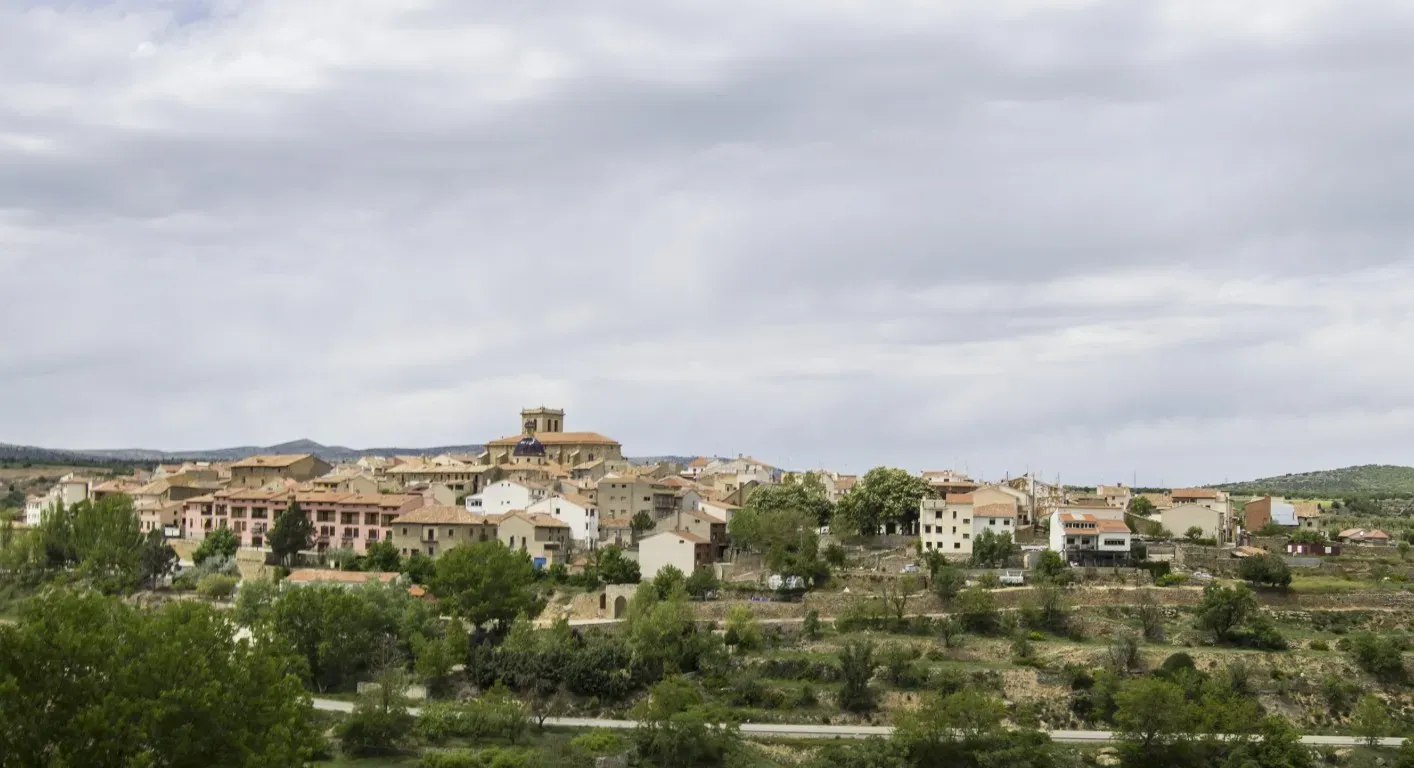
Church of Saint Emerenciana
Gothic-Renaissance temple begun in 1503 by Pedro de la Carrera. Its monumental façade and the tower by Alonso Fernández de Barrios de Ajo stand out. Although it was damaged during the Civil War, it has retained its splendor after several restorations.
Medieval Wall, Portal of Teruel and Arch of Valencia
Dating from the 13th century, these are the only preserved remains of the old fortification that once surrounded the town. They are today symbols of La Puebla and a testament to its defensive character.
Fountain of the Saints
Gothic fountain featuring sculptures of Saint Valerius and Saint Vincent, carved in local stone from the 15th century.
Trucharte Square and Monguió Fountain
Designed in 1916 by modernist architect Pablo Monguió as part of the town’s water supply project, together with the washhouse and watering troughs.
Hermitage of Loreto
Small 16th-century Renaissance building with a single nave and a star-shaped vault.
Municipal Washhouse
Also designed by Monguió, modernist and functional, still in use by residents.
Manor House of the Yguales Family and Eaves of the Lázaro House
Examples of Baroque and vernacular civil architecture, featuring carved wooden eaves of great craftsmanship.
CNT Bunker
Underground Civil War shelter built of brick and concrete, accessible near the railway station.
Huerto del Herrero and Cistern
Natural spot with a historical well from 1850 and a restored 19th-century cistern, showing ancient water collection systems.
Tío Fermín’s Well
Leisure area dedicated to Dr. Fermín Rodríguez Izquierdo, benefactor of the town.
Natural and Archaeological Environment
Highlights include the Hocino Ravine, with unique native flora (wild pear and Narcissus dubius); the Manzano Farmhouse, known for its Saint Martin’s Day festivities; and the Rocha de la Noguera Paleontological Site, with fossils over two million years old.